
Our behaviour has real costs.
New Zealand is paying millions.
Respect isn’t just a moral idea.
It has measurable social, economic, and biological effects.
The effects of increasingly rude, aggressive, and violent behaviour are real - for workers, businesses, and taxpayers:*
Worker anxiety and poor mental health
Physical injury or stress-related illness
Sick leave and absenteeism
Low staff morale
Higher staff turnover
Poor customer experience
Reduced productivity and revenue
Higher costs for consumers
Courtesy and respect cost nothing, but their absence costs everyone.
*Source: Violent and Aggressive Behaviour in the Workplace, shopcare.org.nz, 2021
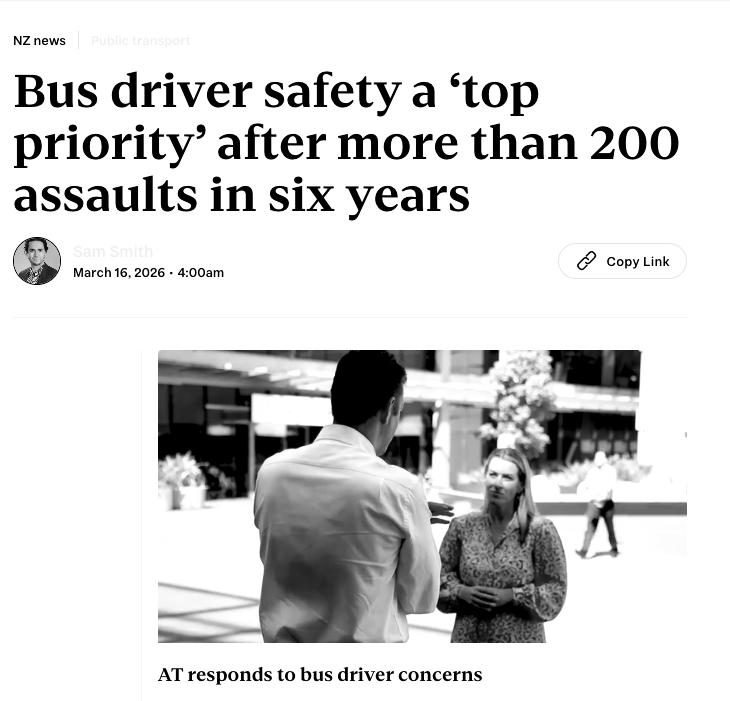
respectful societies ftw.
Countries with stronger social trust and respectful norms perform better in measurable ways.
Research from international organisations shows that:
• Higher trust correlates with stronger economic growth
• High social capital predicts better health and wellbeing outcomes, including lower rates of anxiety and depression
• Trusting societies have more effective public services and institutions
Global indices* consistently rank societies with higher trust and stronger social norms, such as Scandinavia, the Netherlands, and Canada, as having:
• Higher GDP per capital
• Lower crime rates
• Better life satisfaction scores
• Higher levels of civic engagement
These patterns aren’t random.
They reflect how shared expectations of behaviour underpin stable, productive, and cohesive societies.
*Sources: OECD Trust and Well-Being data, World Bank “Trust and Economic Growth”, World Happiness Report
courtesy and respect have positive effects on our health.
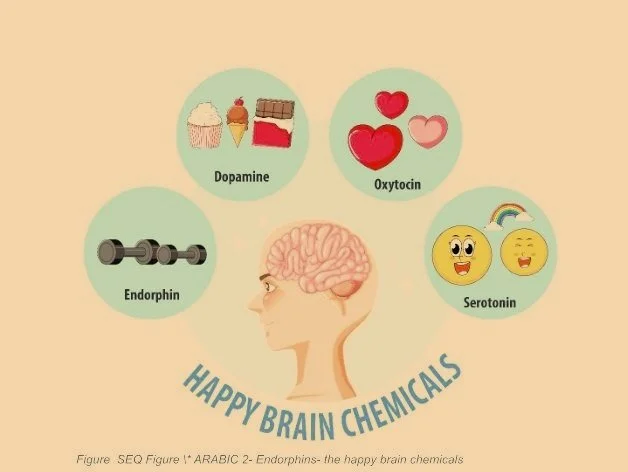
Humans are biologically wired for positive interactions. Courtesy and respect are proven to be great for our health.
Small acts of courtesy and respect have measurable effects on our mental and physical health.
Positive interactions trigger the release of brain chemicals linked to trust and wellbeing, including:
Oxytocin – strengthens social bonds and reduces blood pressure
Dopamine – improves mood and motivation
Serotonin – supports mental wellbeing and satisfaction
Endorphins – the body’s natural pain relief
Acts of courtesy also reduce stress, improve heart health, and strengthen social trust.
We all recognise the feeling: letting someone merge in traffic and receiving a wave, or thanking someone at the checkout and seeing them smile.
Respect isn’t abstract. It’s immediate.
It changes how people feel - and how they treat others in return.
*Source: Cedars-Sinai 2019 / Mayo Clinic 2023
courtesy is an aphrodisiac.
Research by Men’s Health found 60% of women say good manners “absolutely” make a man more attractive.
The most common traits women assign to men with bad manners are highly revealing:
1. They're ignorant - 72%
2. They were raised poorly - 66%
3. They're selfish - 55%
4. They're two-faced - 52%
Courtesy works both ways.
Good manners influence attraction and perception for everyone.

Looking for love? Try lifting your courtesy game.